Double Filtration Plasmapheresis

DFPP cleanses blood of toxins and inflammatory factors, preparing body to accept regenerative therapies more effectively and providing support for its immune system.
Patient FAQs on DFPP
1. What is DFPP?

DFPP (Double Filtration Plasmapheresis) is a modern, selective blood washing method that removes harmful substances (e.g., antibodies, toxins, immune complexes, lipids) from the patient’s plasma, while returning most of the healthy components to the body. Unlike traditional plasmapheresis, DFPP does not require the administration of donor plasma—only the patient’s own blood is used.

2. Who is the treatment for?

DFPP is used to treat and support the treatment of over 50 different conditions, including autoimmune diseases (MS, RA, SLE, Hashimoto’s), neuropathy, chronic fatigue syndrome, metabolic diseases (e.g., hypercholesterolemia), post-COVID-19, heavy metal poisoning, psoriasis, skin diseases, as well as support before and after in vitro procedures, and improve the body’s overall regeneration.

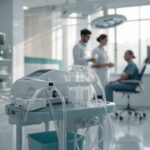
3. What does the procedure look like?
  • The procedure usually takes 3–4 hours.
  • The patient remains in a comfortable armchair, under constant medical supervision.
  • Two intravenous lines are placed in both arms.
  • Blood flows through two filters: the first separates plasma from blood cells, the second selectively removes harmful substances.
  • Washed plasma and blood cells are returned to the body, and the “dirty” plasma is removed.
  • After the procedure, you can receive an individual IV vitamin therapy.
4. Is the procedure painful?

Other than a brief discomfort during IV insertion (similar to having your blood drawn), the procedure is painless.

5. How to prepare for DFPP?
  • Bring up-to-date blood test results: blood count, APTT, PT, INR, WR, HBsAg , anti-HCV, HIV (no older than 3 months).
  • Eat a regular meal before your procedure.
  • Wear comfortable clothing with short sleeves.
  • Bring your ID, snacks, headphones, and a blanket.
  • Please arrive 20 minutes early to complete your paperwork.
  •  
6. Can I drive after the procedure?

We recommend having someone with you during your first treatment – some patients may experience brief periods of dizziness.

7. Can I exercise after the procedure?

Strenuous exercise is not recommended for 24–48 hours after the procedure (due to blood thinning medications). Light activities such as walking and housework are permitted.

8. How many sessions do I need?

The number of sessions depends on your health condition and the goals of your therapy – sometimes a single treatment is enough, in other cases, your doctor will recommend a series of treatments.

9. Is DFPP safe?

Yes, DFPP is a procedure with a high safety profile, performed for years in hospital medicine. At NOVACELL, we use only disposable, sterile kits and modern equipment with quality certificates. The entire procedure is performed under medical supervision.

10. Do I receive blood or plasma from a donor during the procedure?

No. DFPP uses only your own blood and plasma – there is no risk of transmitting infectious diseases.

11. What are the possible side effects?

The treatment is well tolerated. Short-term dizziness, fatigue, and rare allergic reactions or local irritation at the injection site are possible. Medical staff will monitor your condition throughout the procedure.

12. What are the benefits of DFPP?
  • Elimination of toxins, heavy metals, antibodies and immune complexes.
  • Reduction of chronic inflammation.
  • Relief forthe liver and kidneys.
  • Improved cell oxygenation and nutrition.
  • Increased energy levels and improved well-being.
  • Supporting fertility and aiding preparation for in vitro procedures.
  •  
13. Can DFPP be combined with other therapies?

Yes, DFPP is often used as a pre-treatment for stem cell therapy, exosomes, or other advanced regenerative methods, increasing their effectiveness.

14. Can everyone benefit from DFPP?

No. Your eligibility is determined by a physician after analyzing your health, medical history, and test results. There are some contraindications , including severe coagulation disorders, active infections, and certain chronic diseases.

15. What is post-treatment care like?

After the procedure, you will receive personalized recommendations regarding diet, activity, and medication. If you experience any concerning symptoms, you can contact the NOVACELL team. Follow-up visits or teleconsultations are scheduled to monitor the effects of the treatment.